Perhaps Death Valley National Park became famous through television. Remember those old westerns set in the desert? Cowboys lost their horses, ran out of water, and dragged themselves through a hot and dangerous landscape. Sand dunes, cactus, salt flats, rocks, and rattlesnakes threatened their survival. That was the picture I carried in my mind of Death Valley.
The Real Death Valley
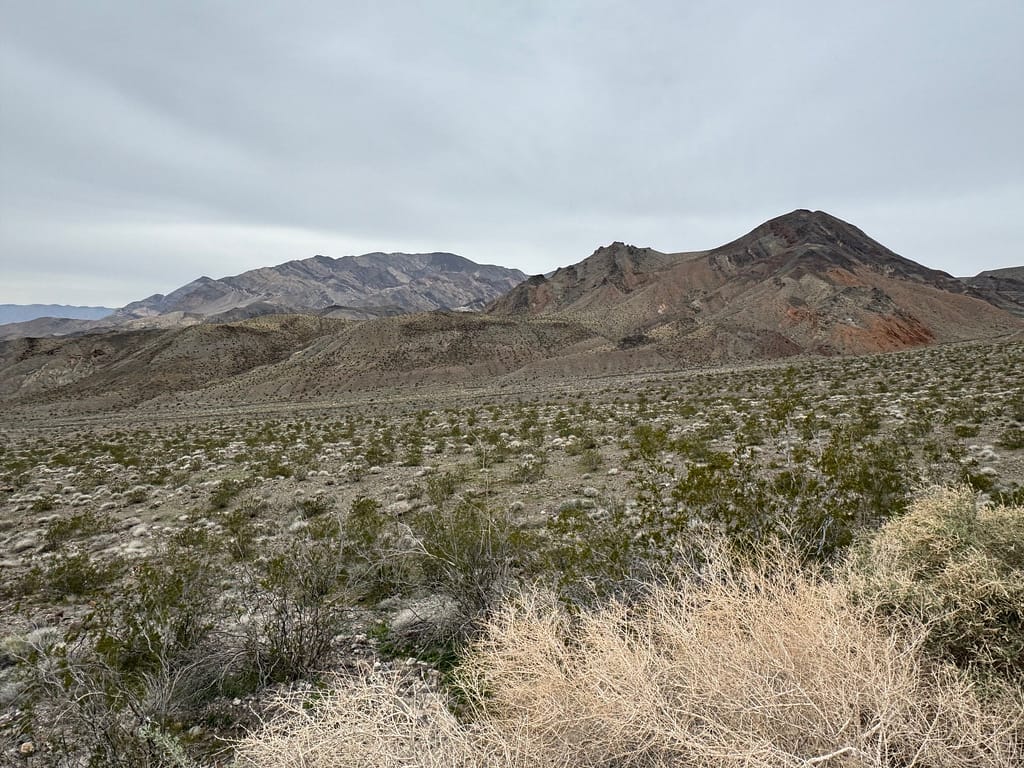
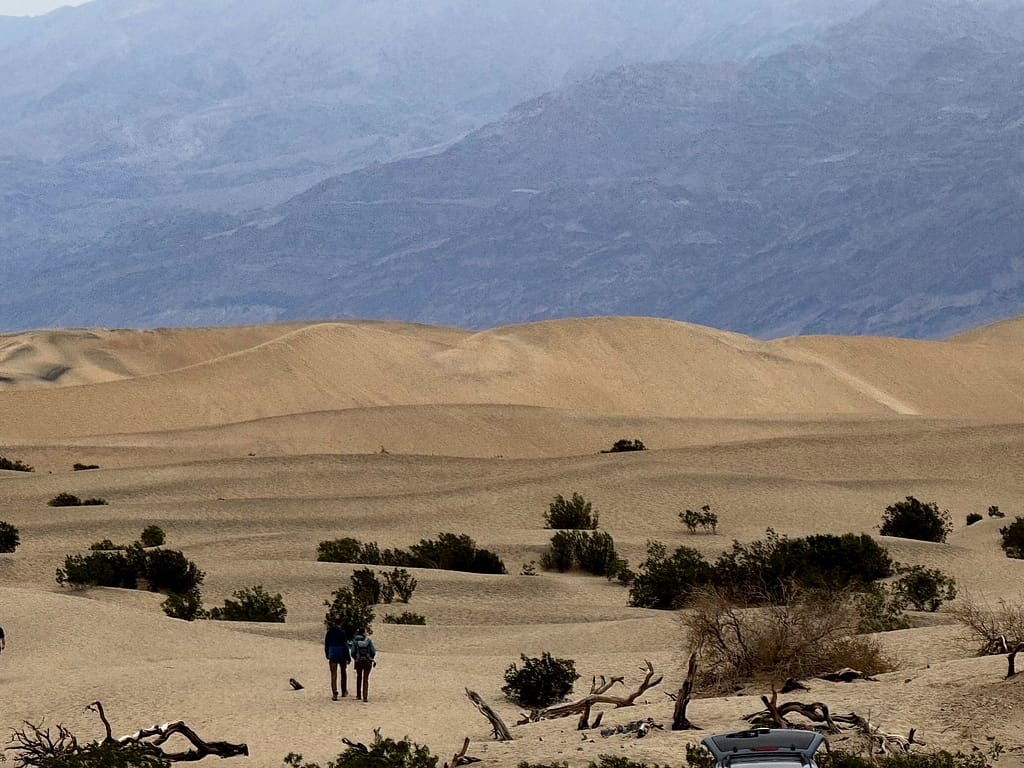
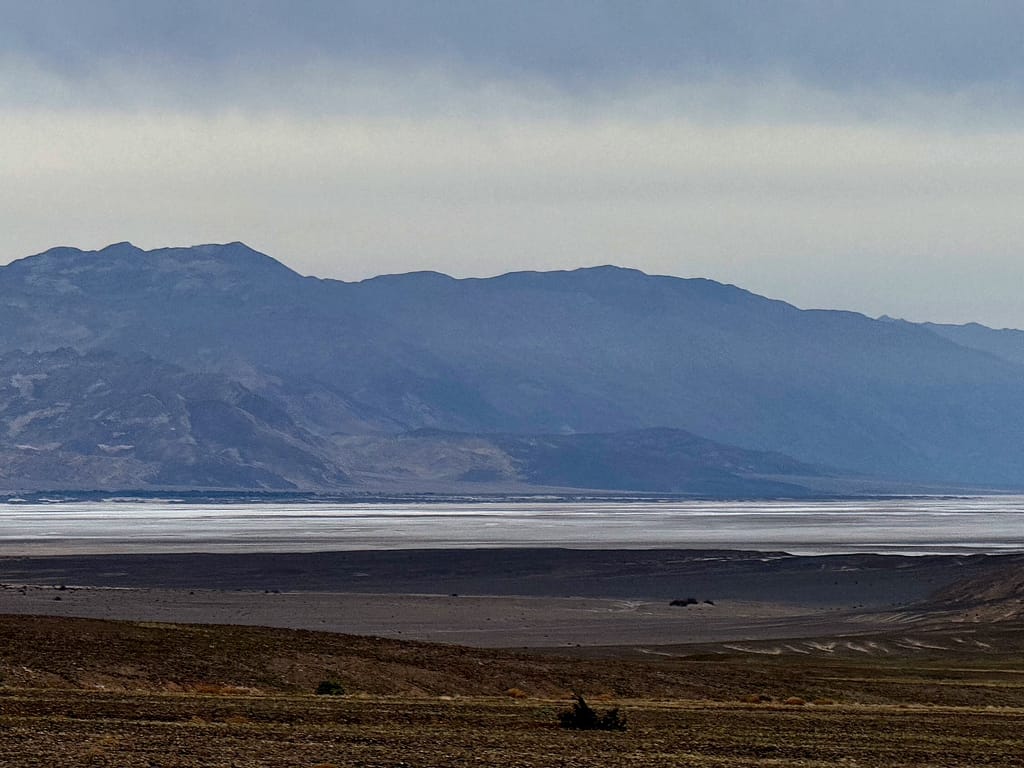
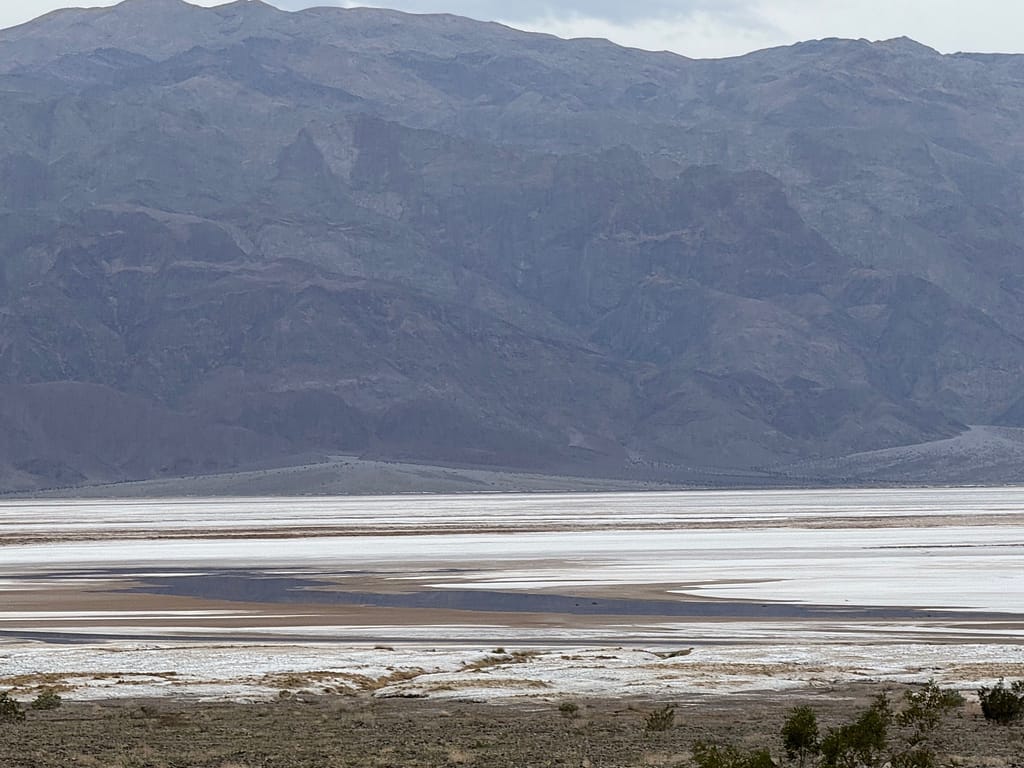
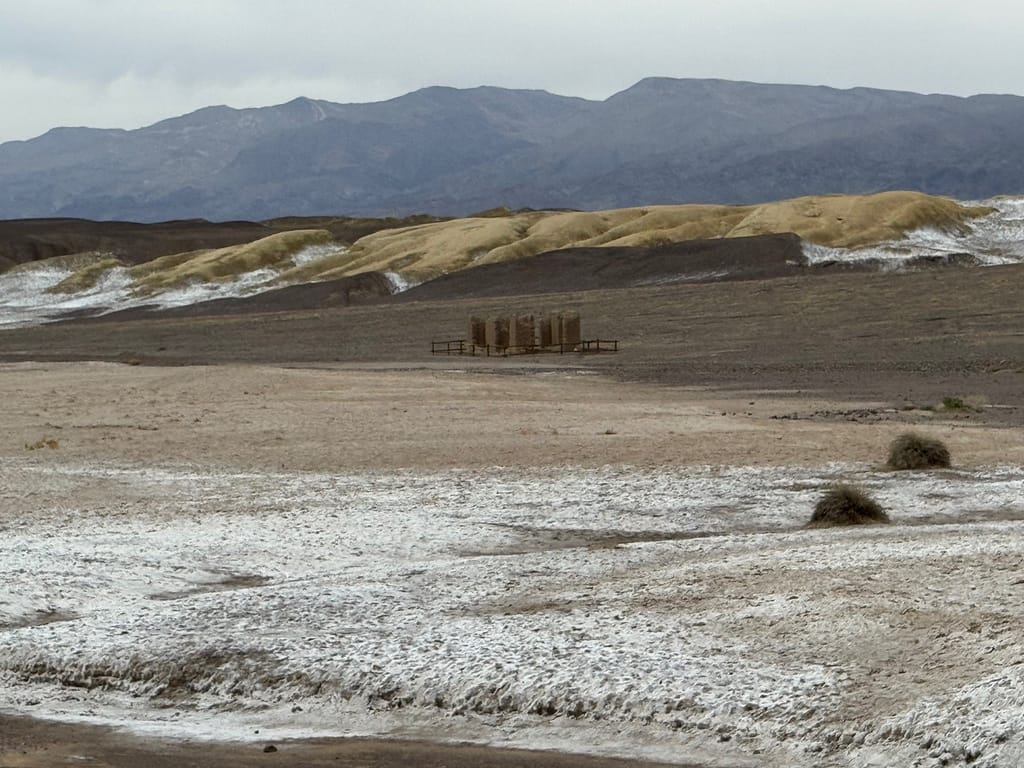
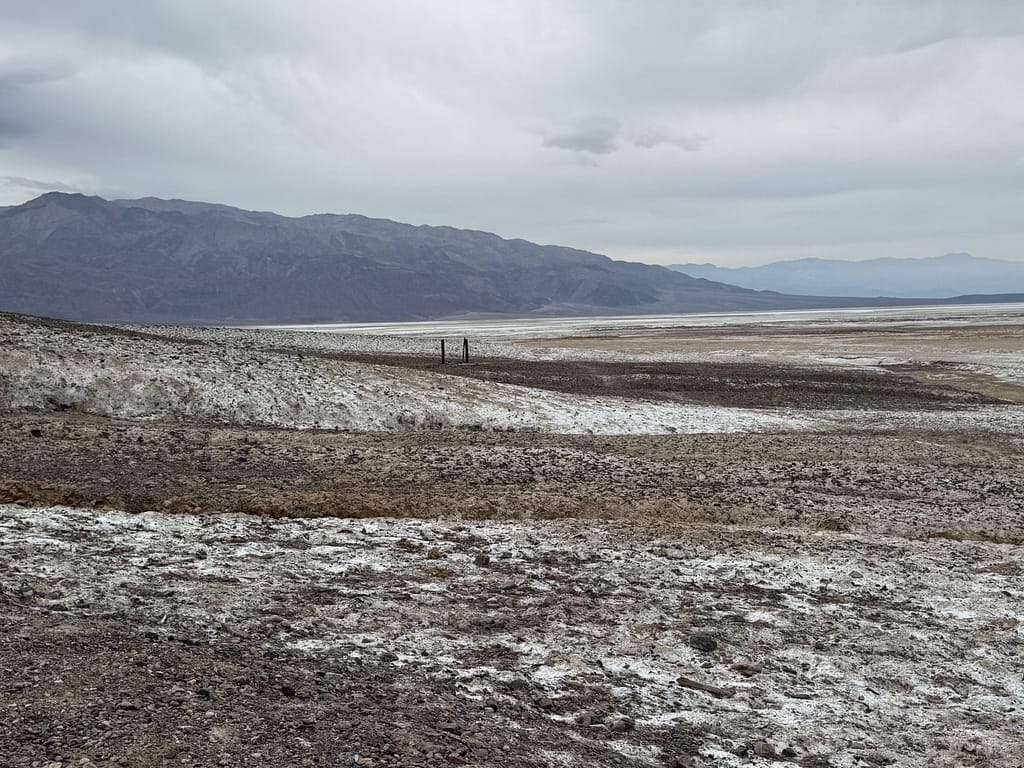
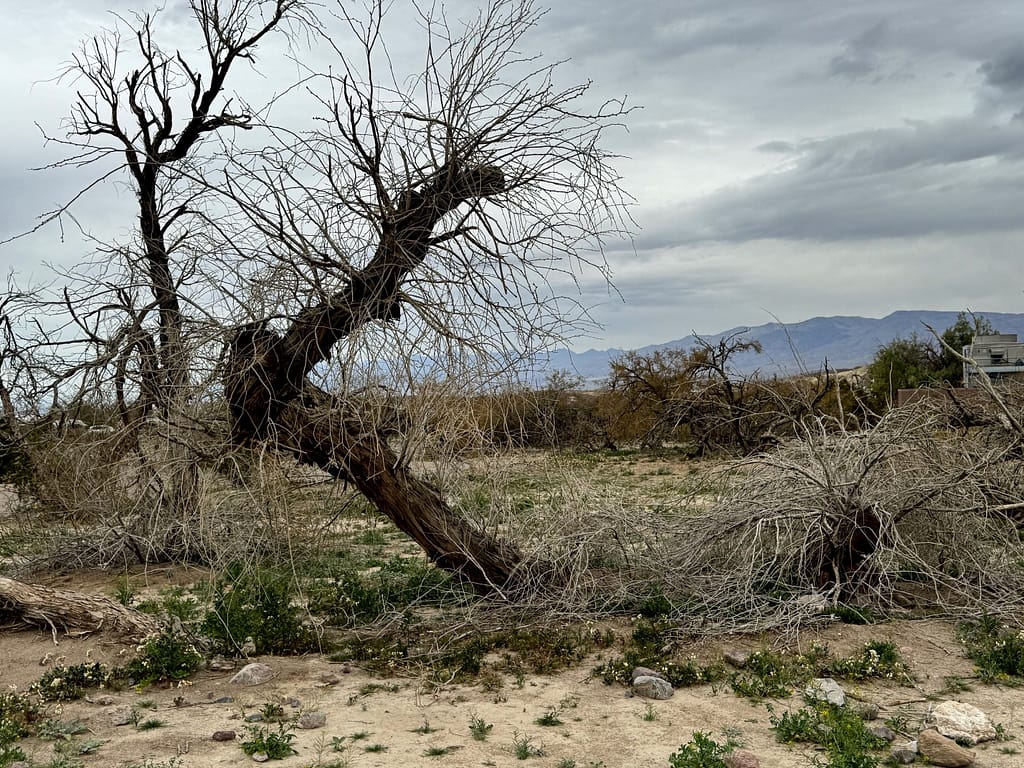
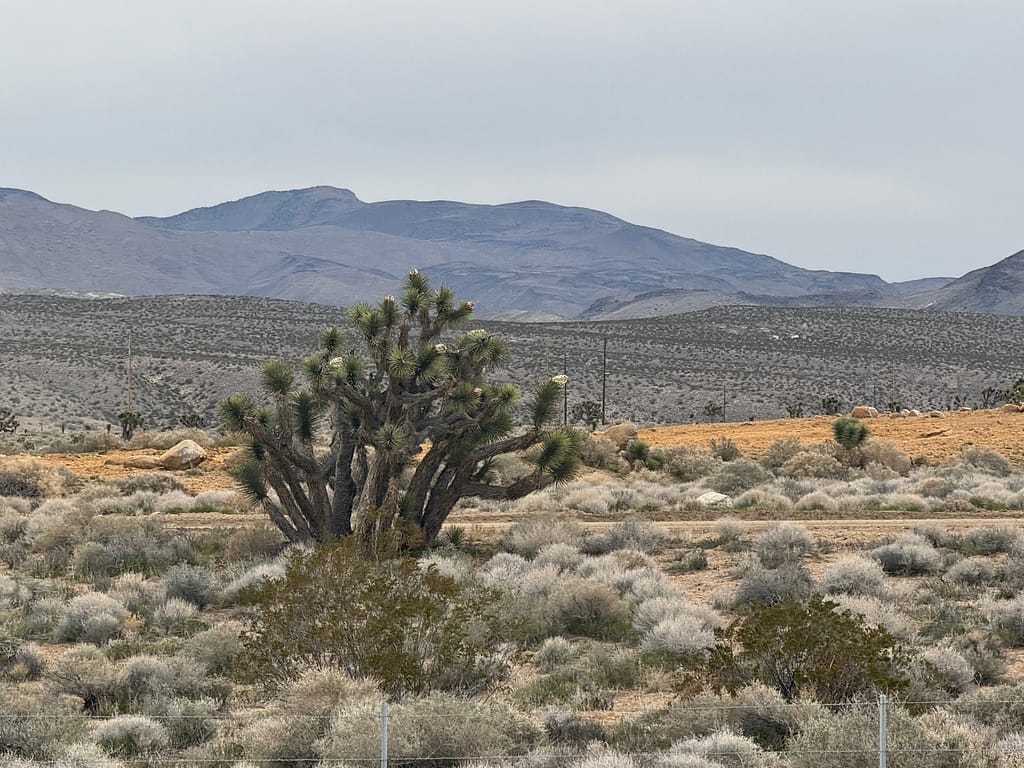
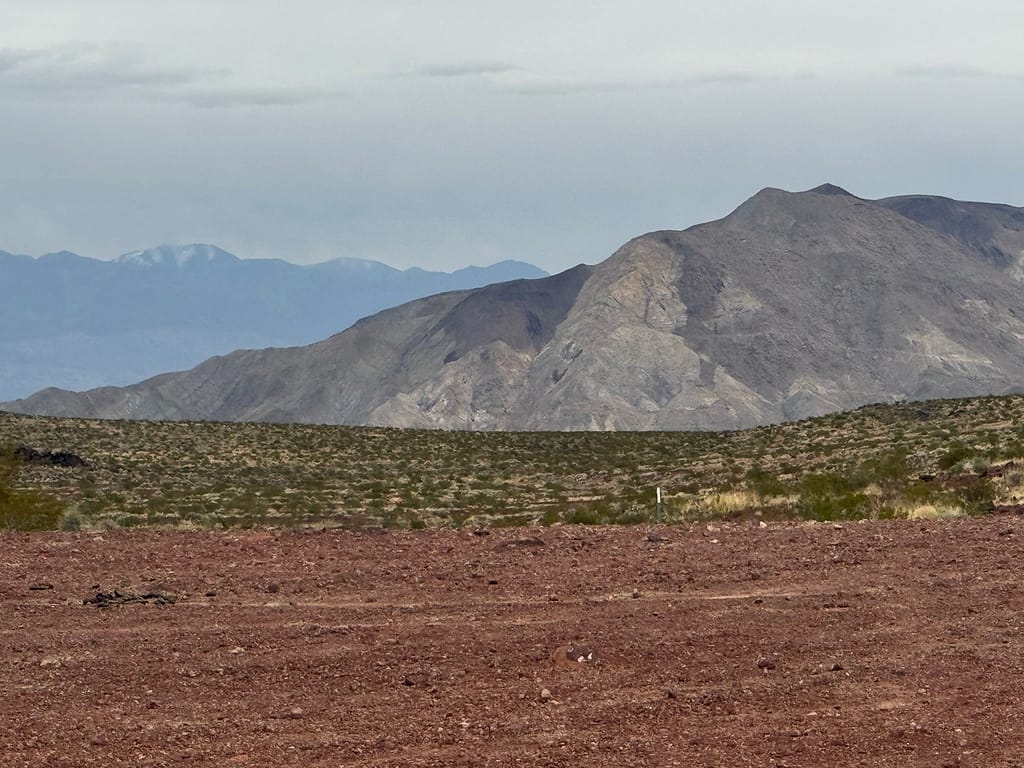
The real Death Valley, however, isn’t exactly like that. (I guess you can’t believe everything you see on TV!) Yes, we found the sand dunes, the salt fields, and the massive rock formations — but we also discovered something unexpected.
A Landscape Full of Color
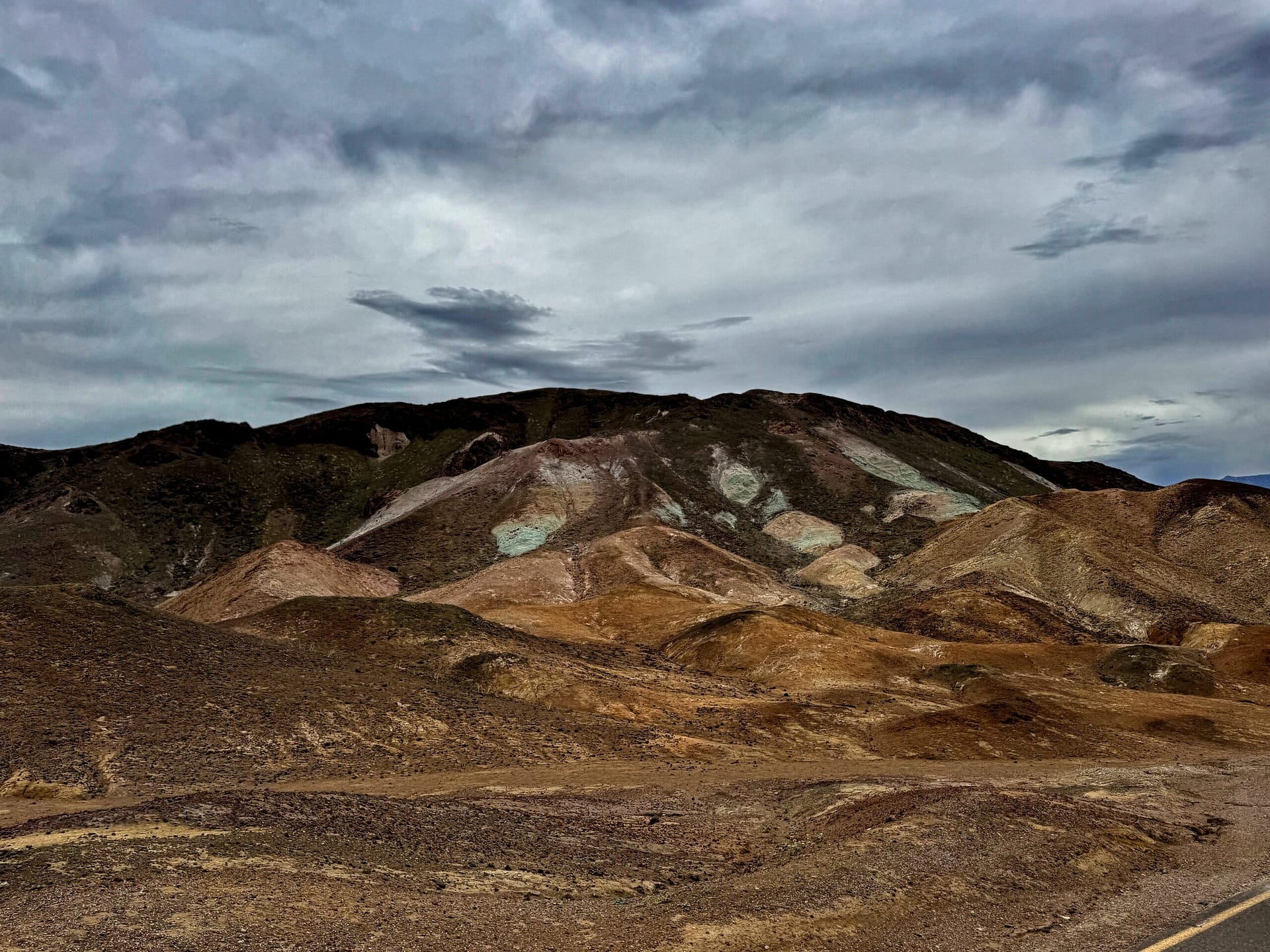
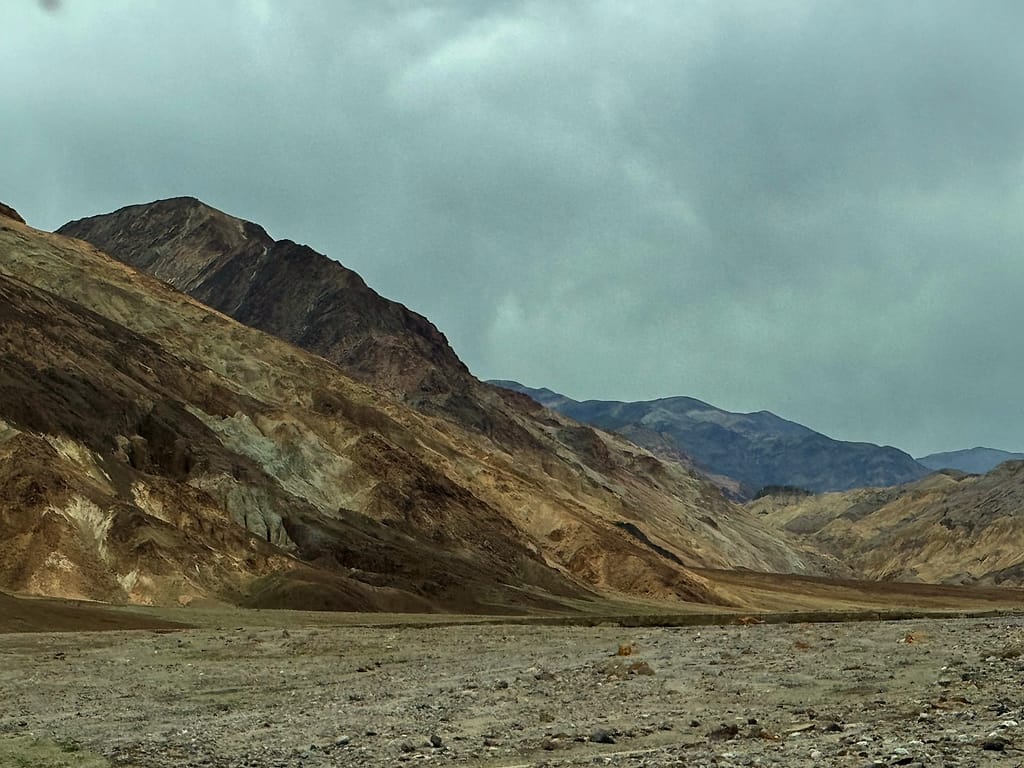
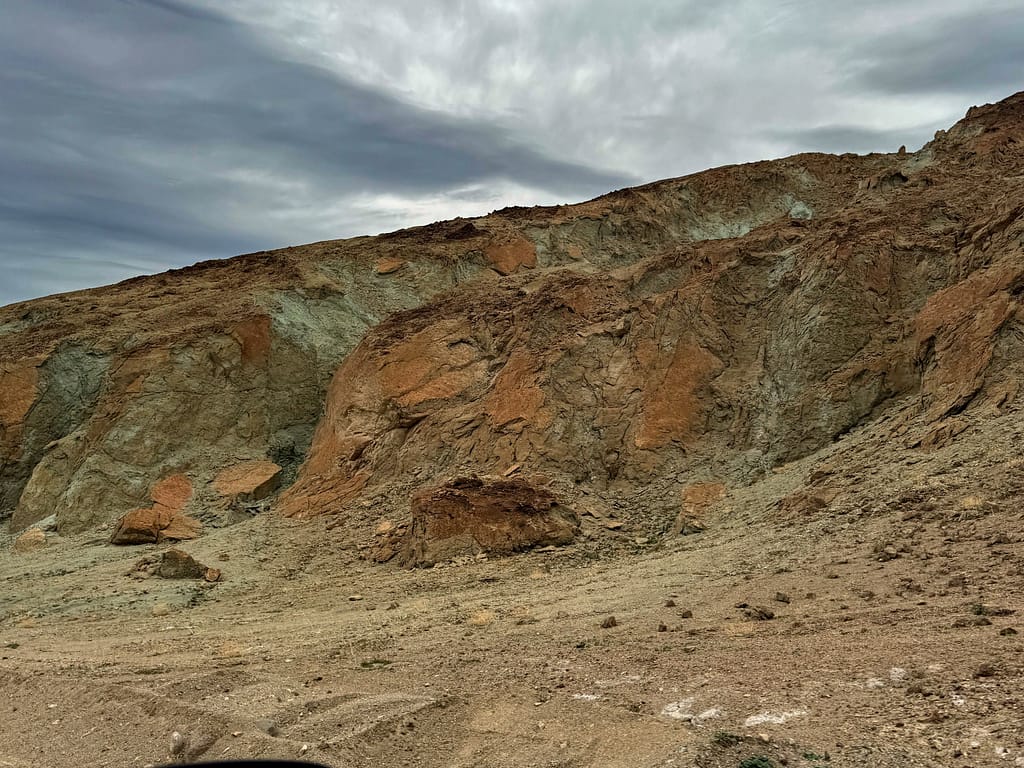
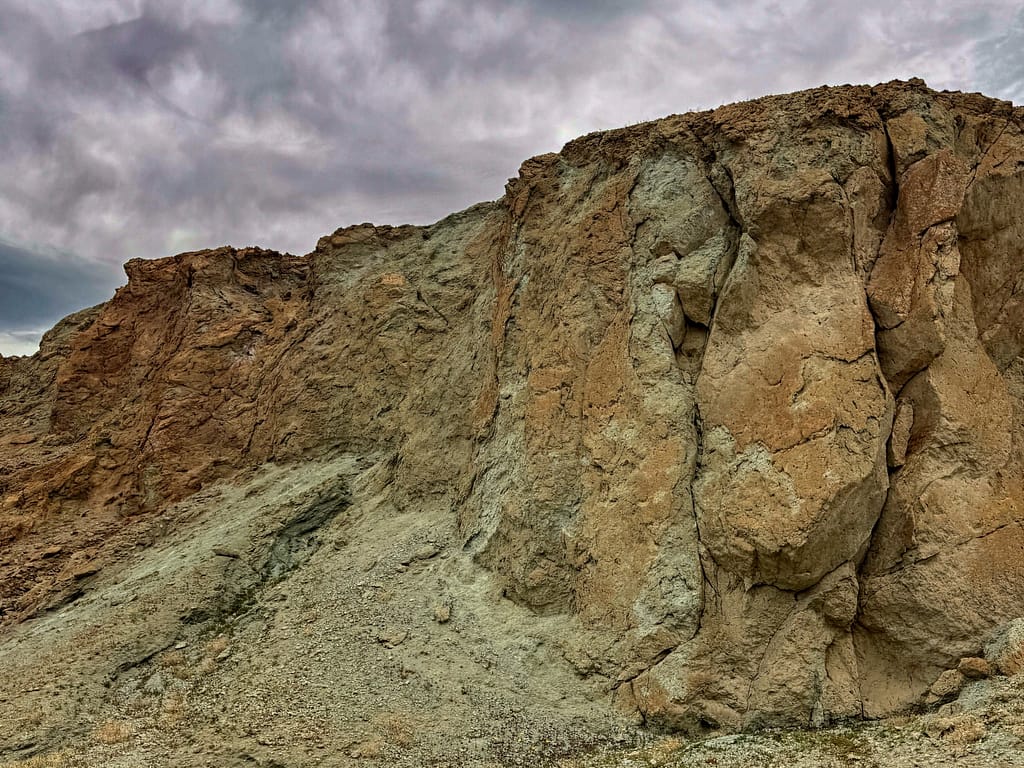
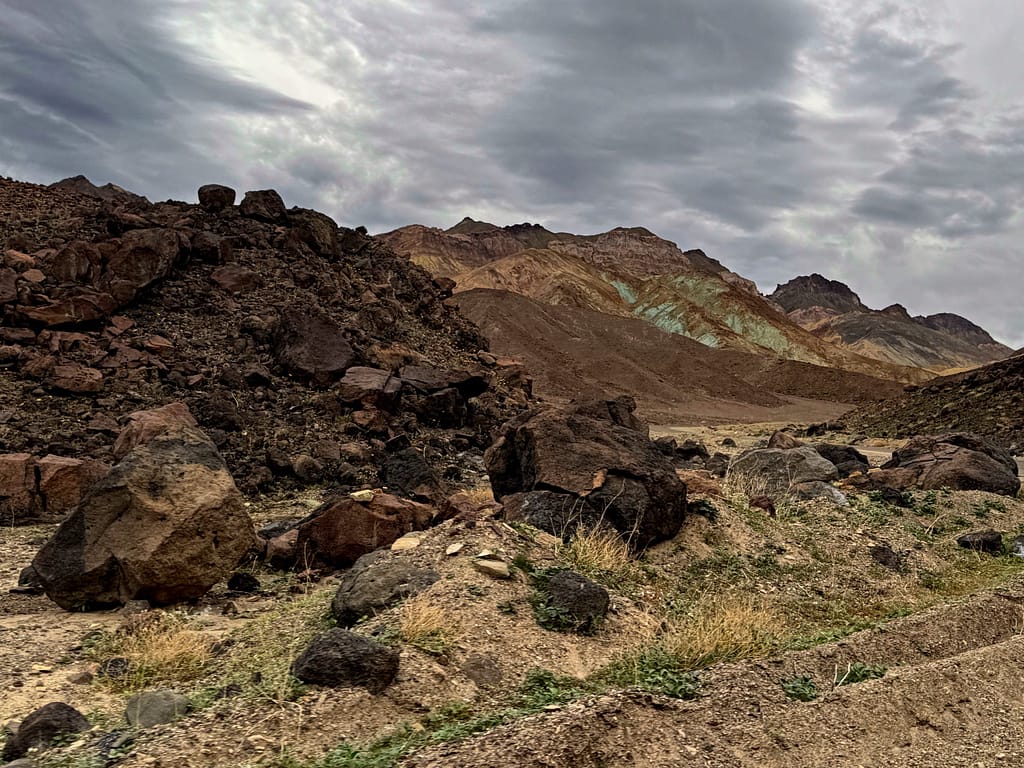
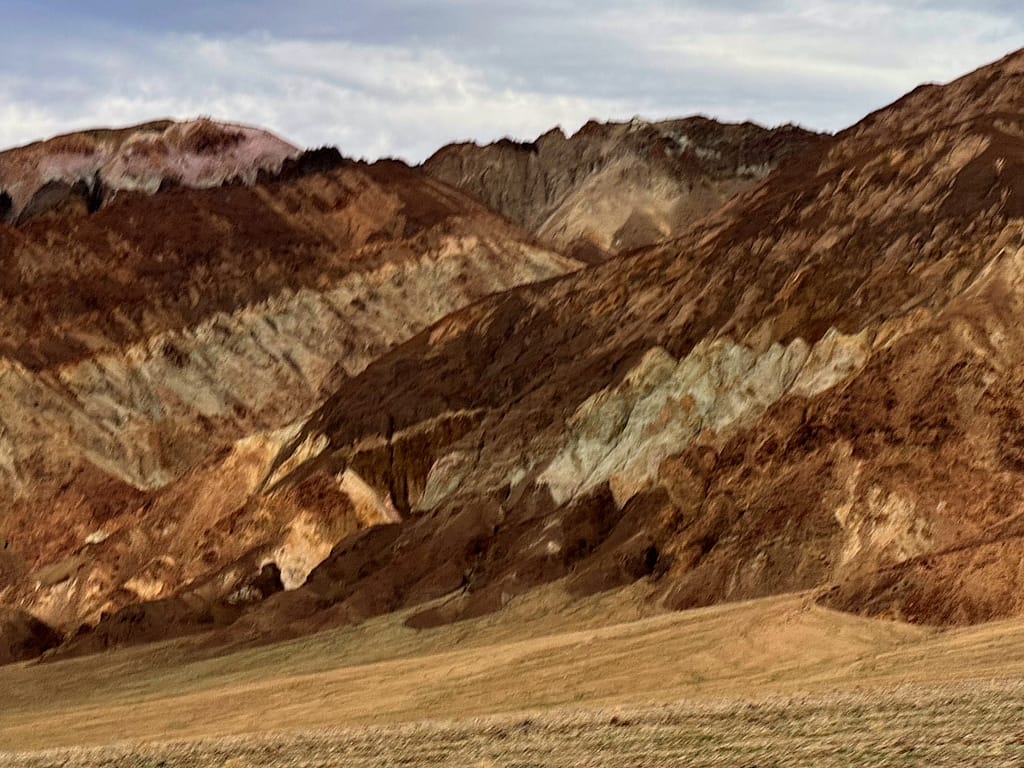
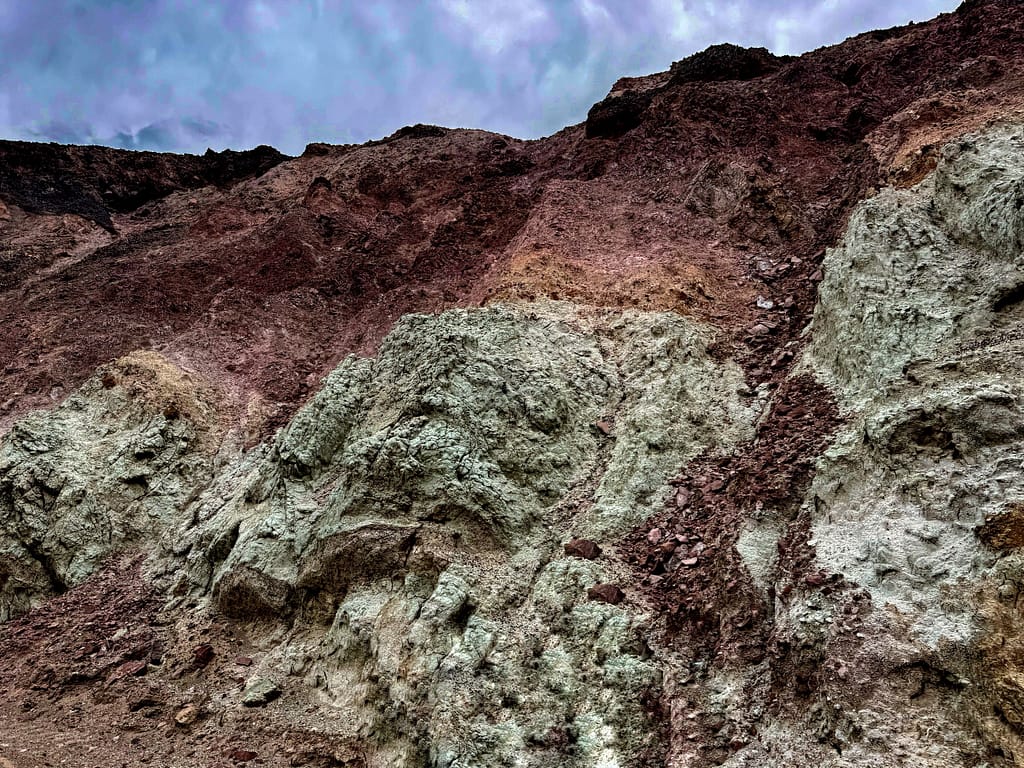
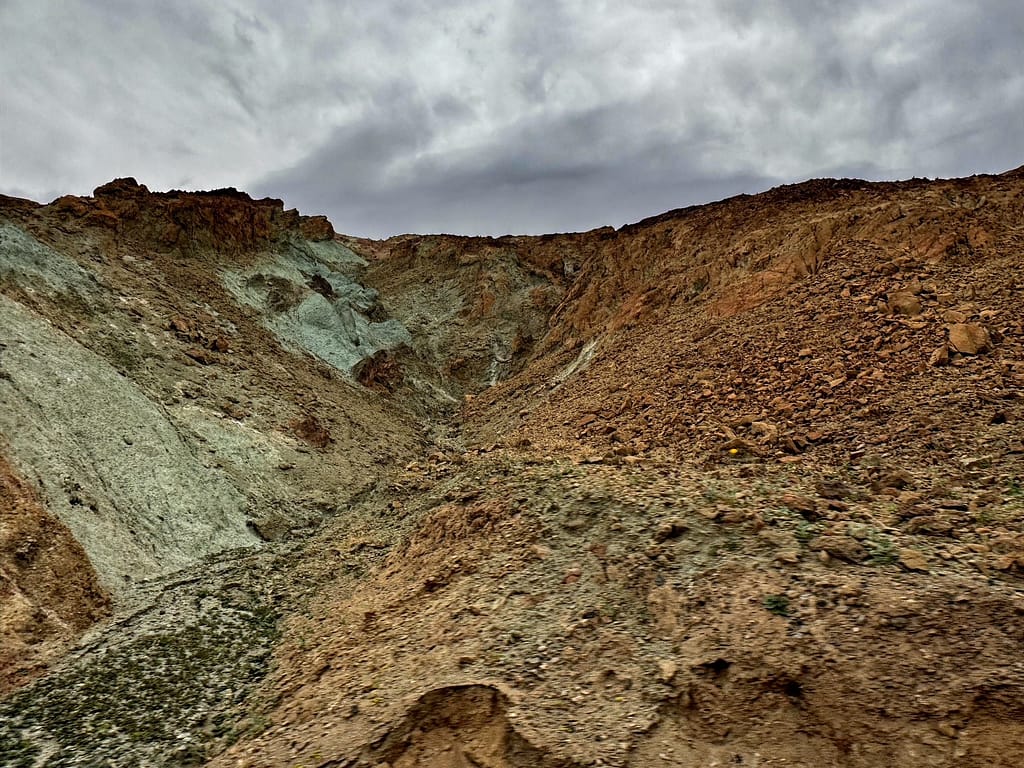
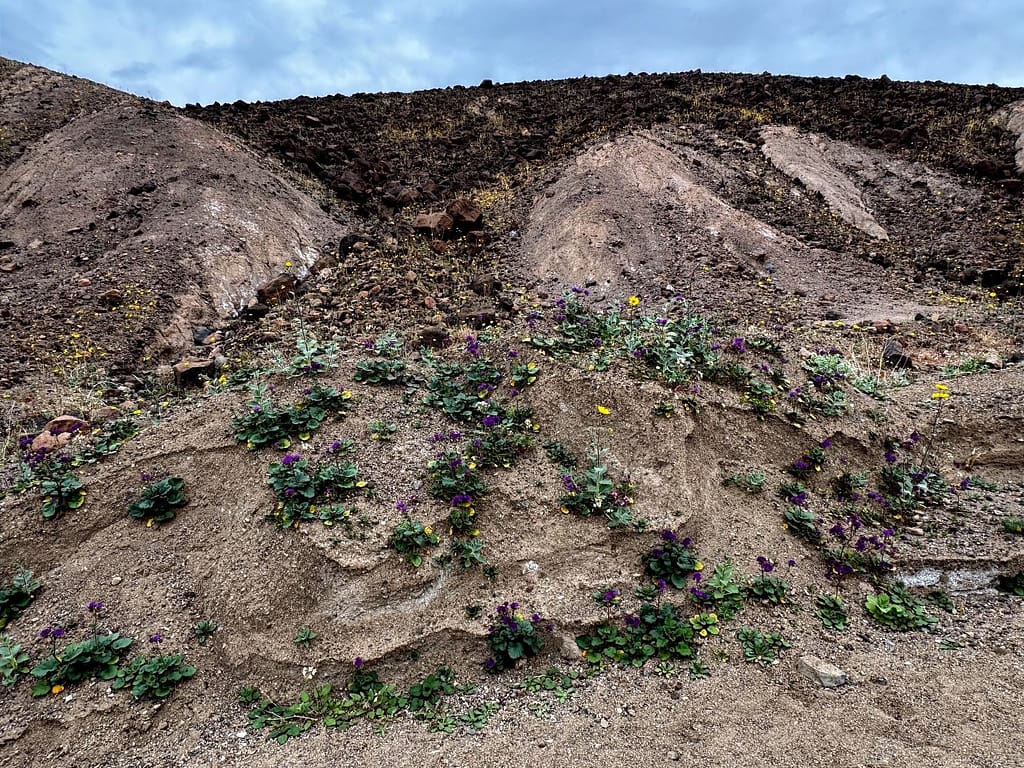
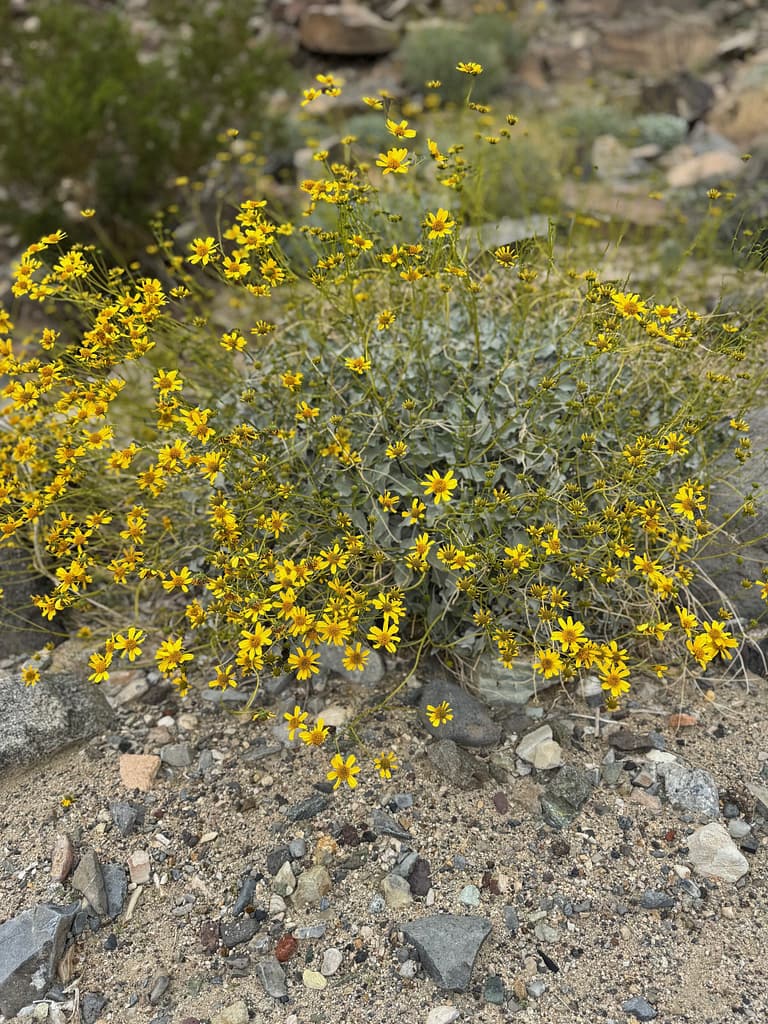
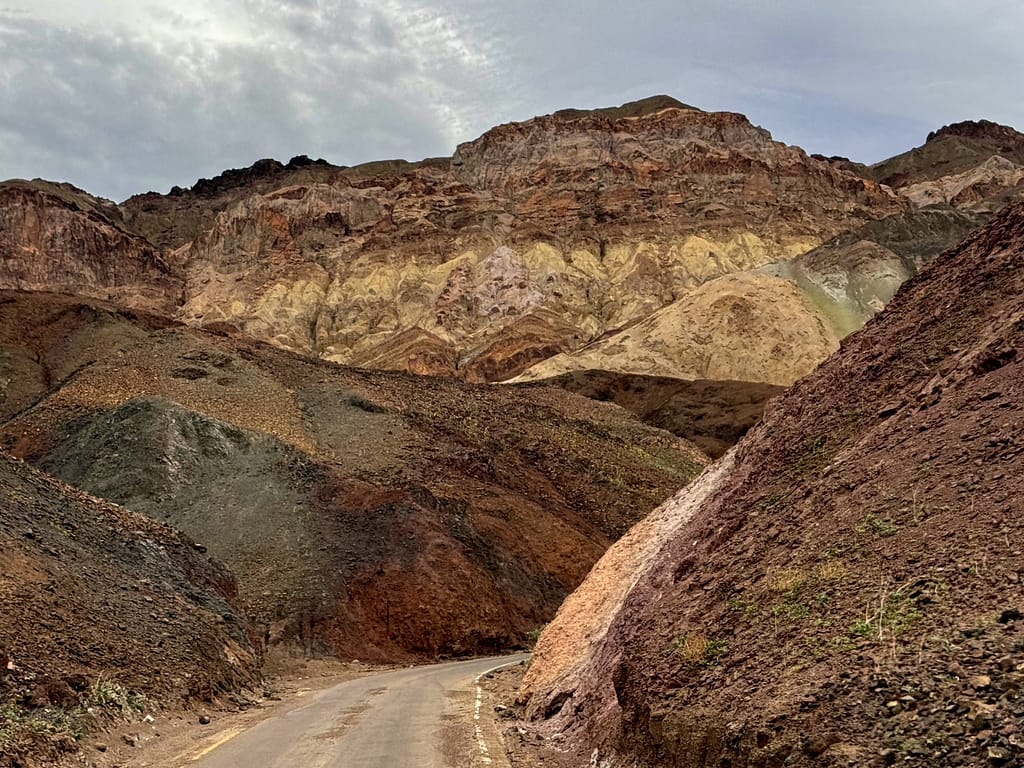
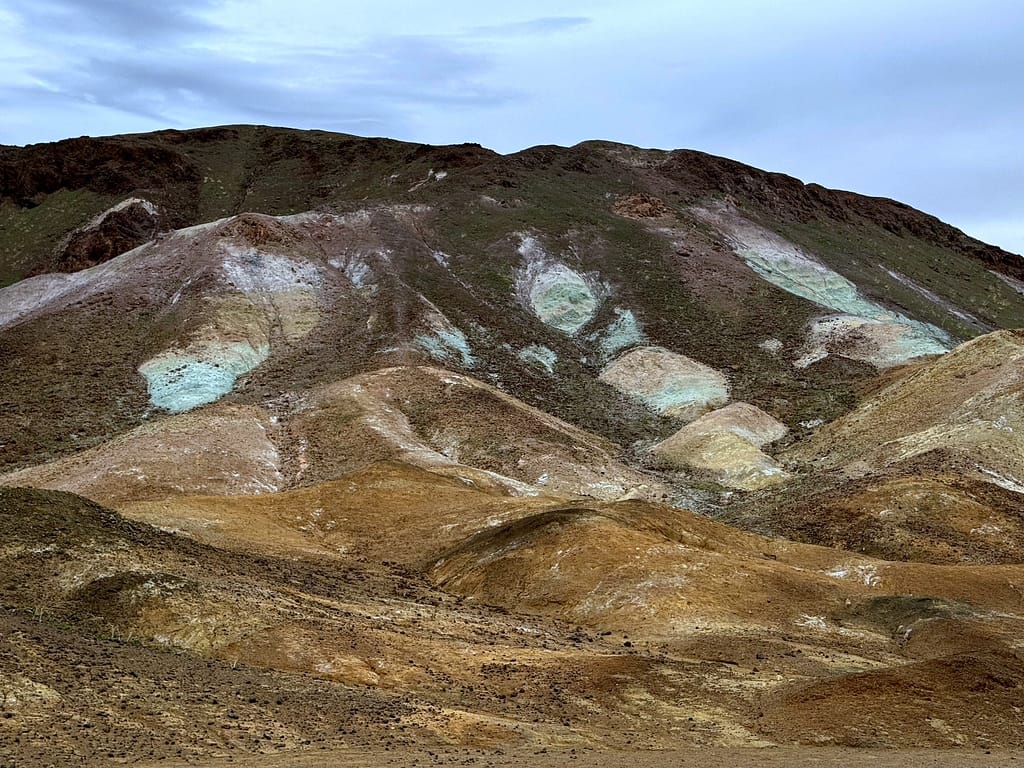
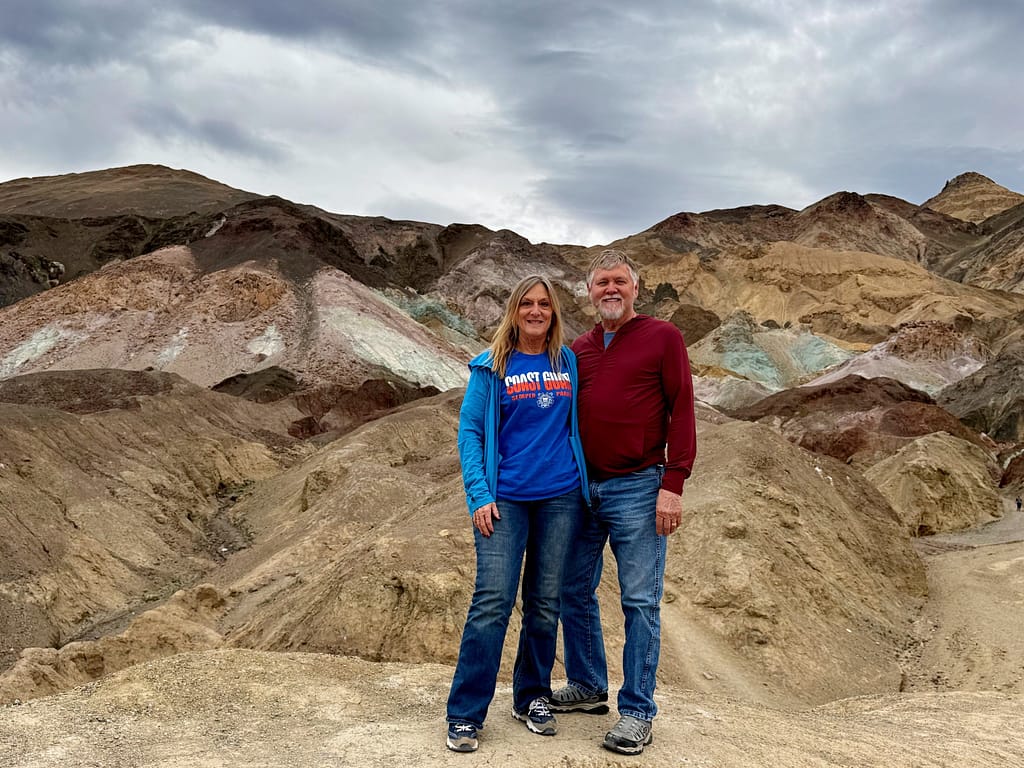
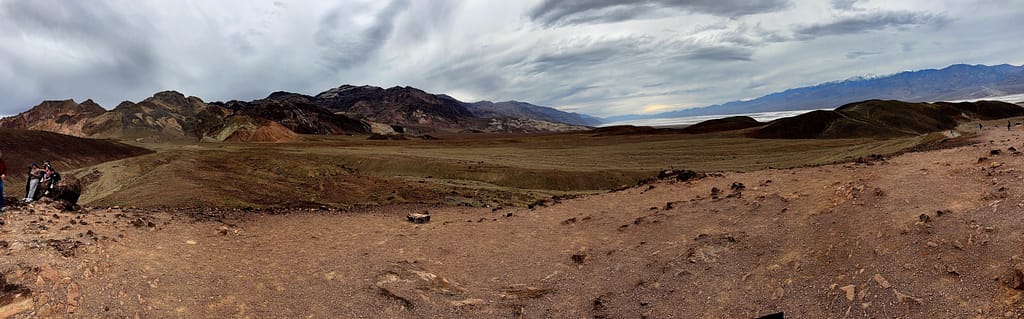
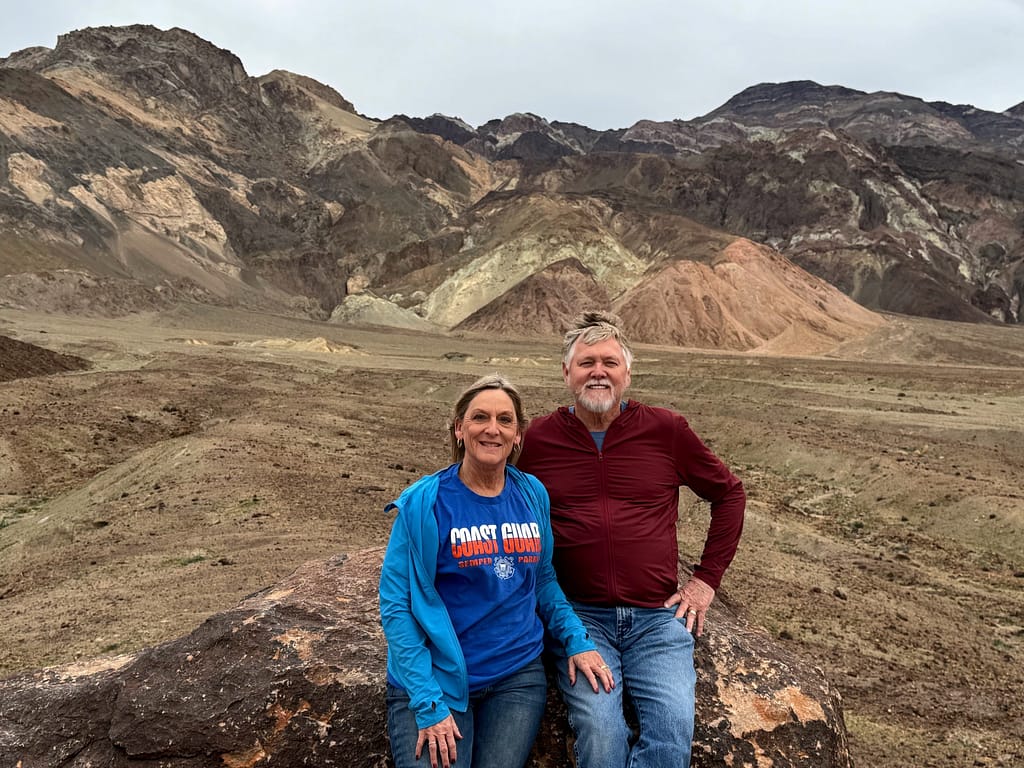
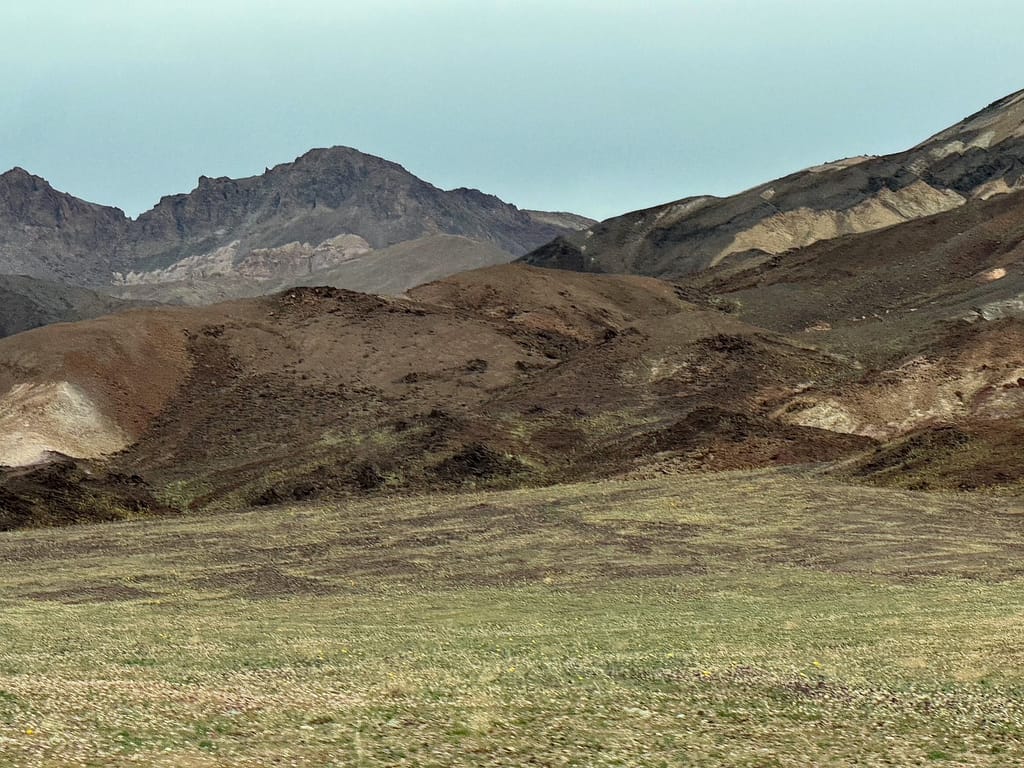
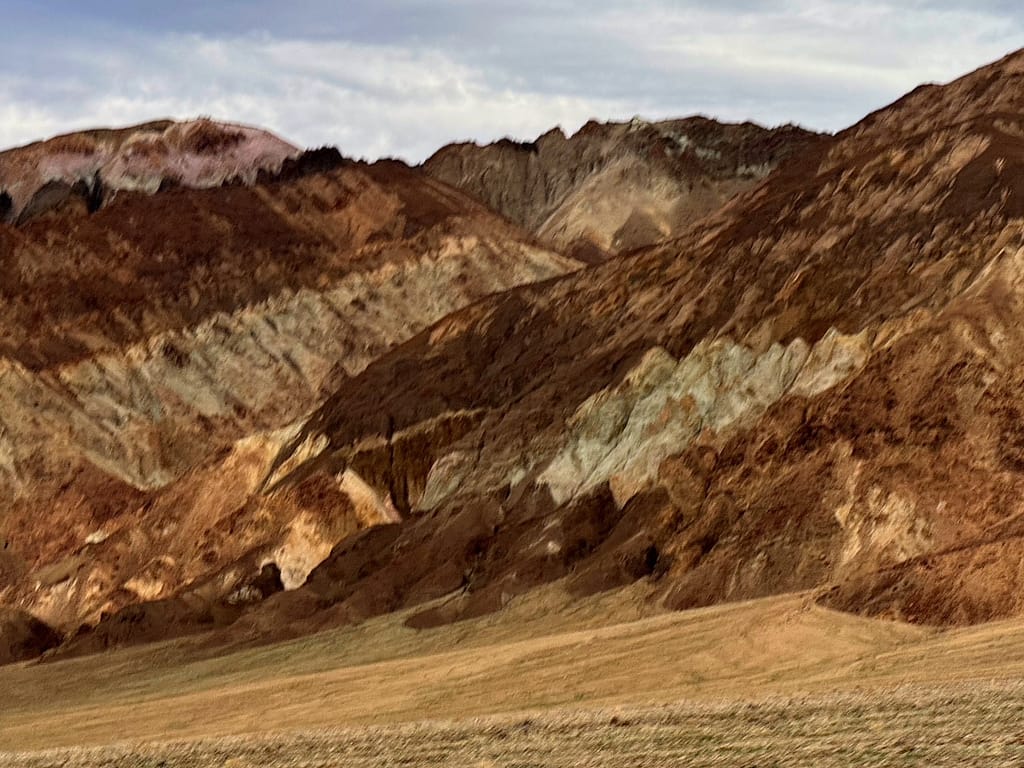
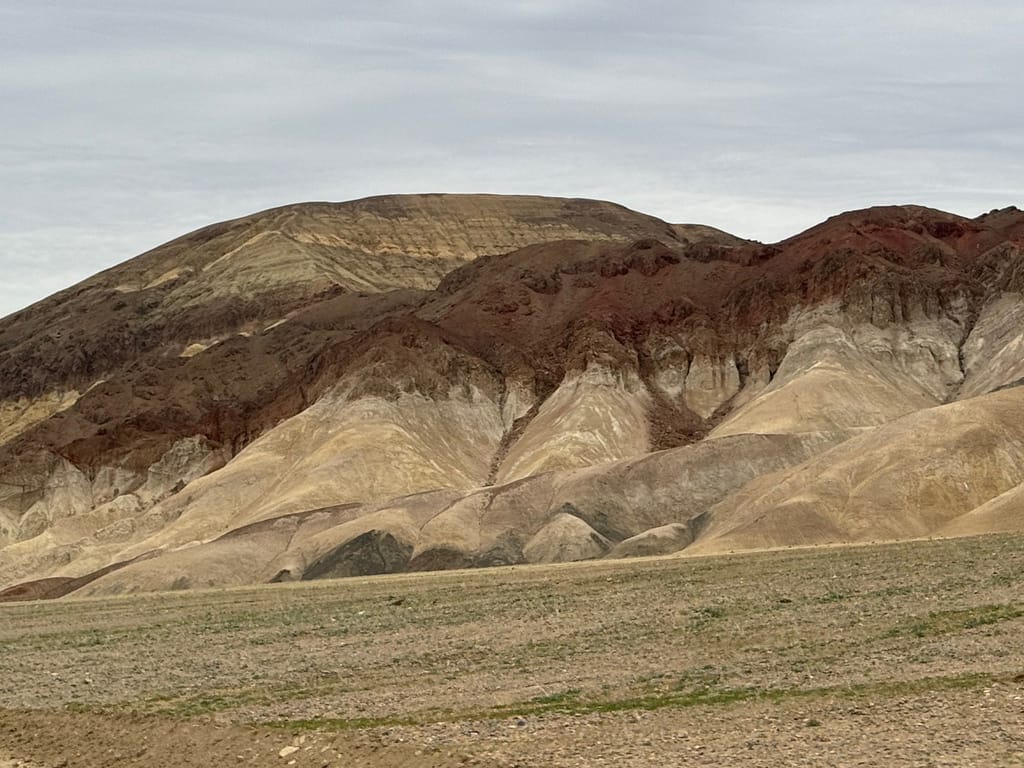
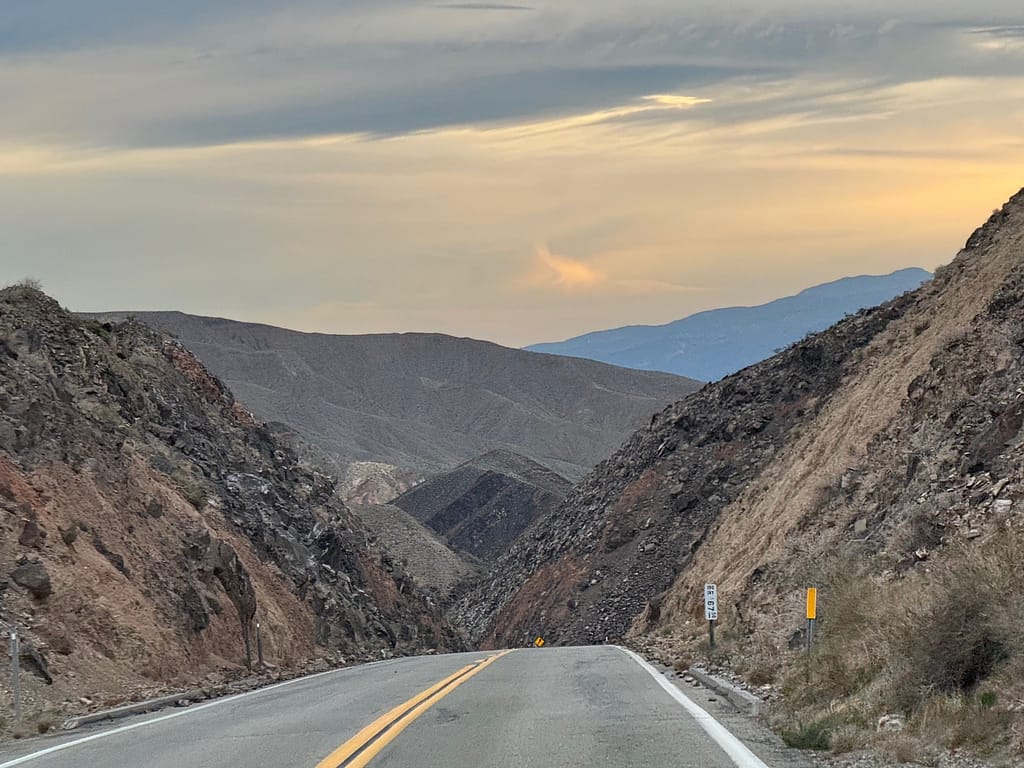
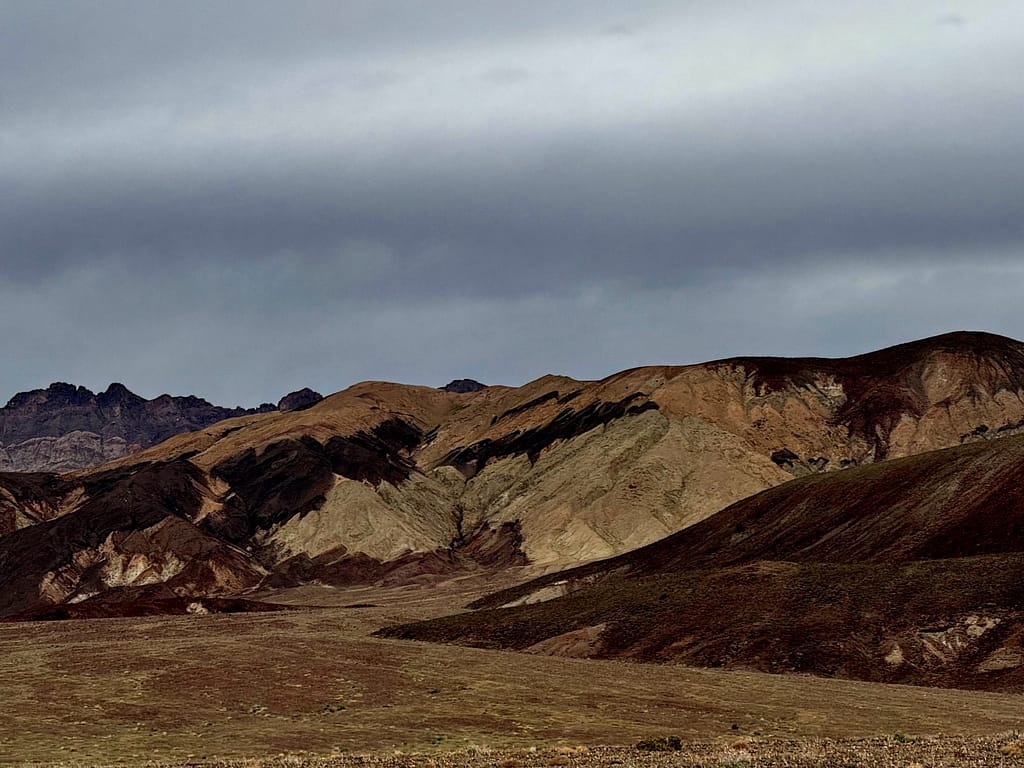
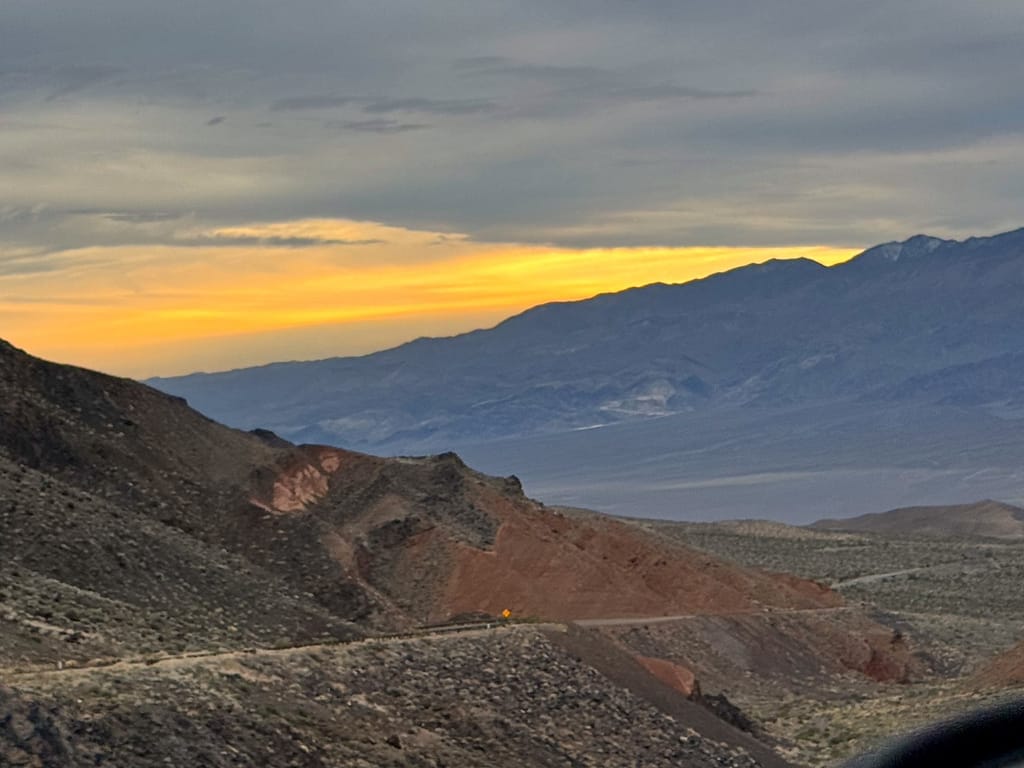
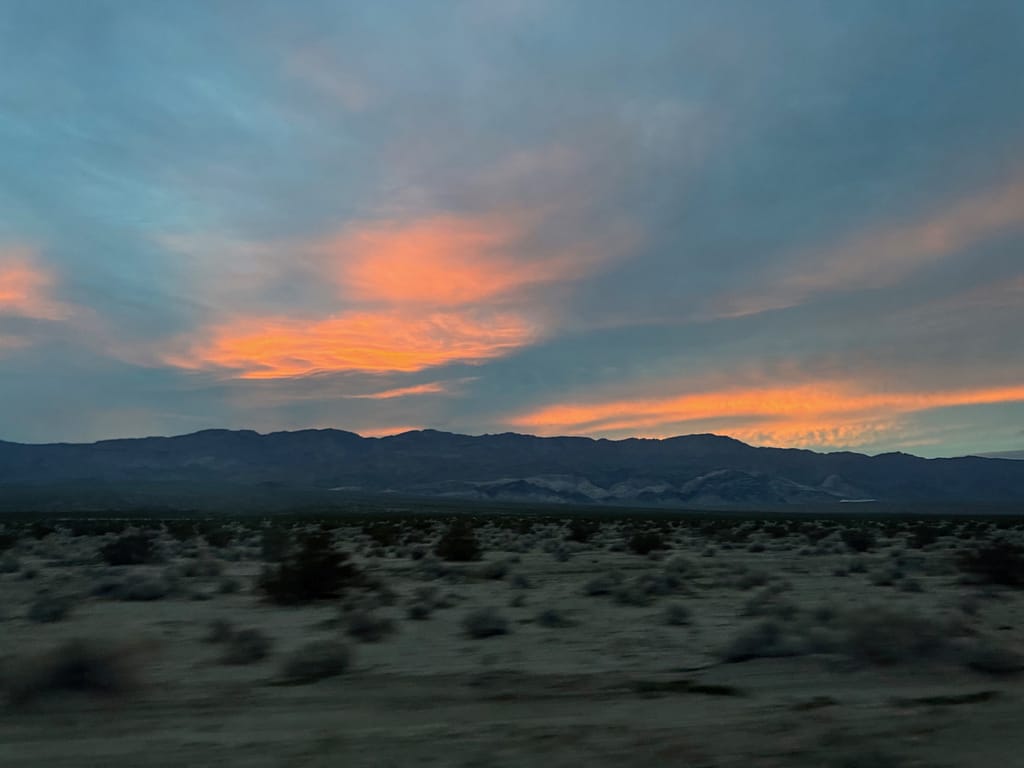
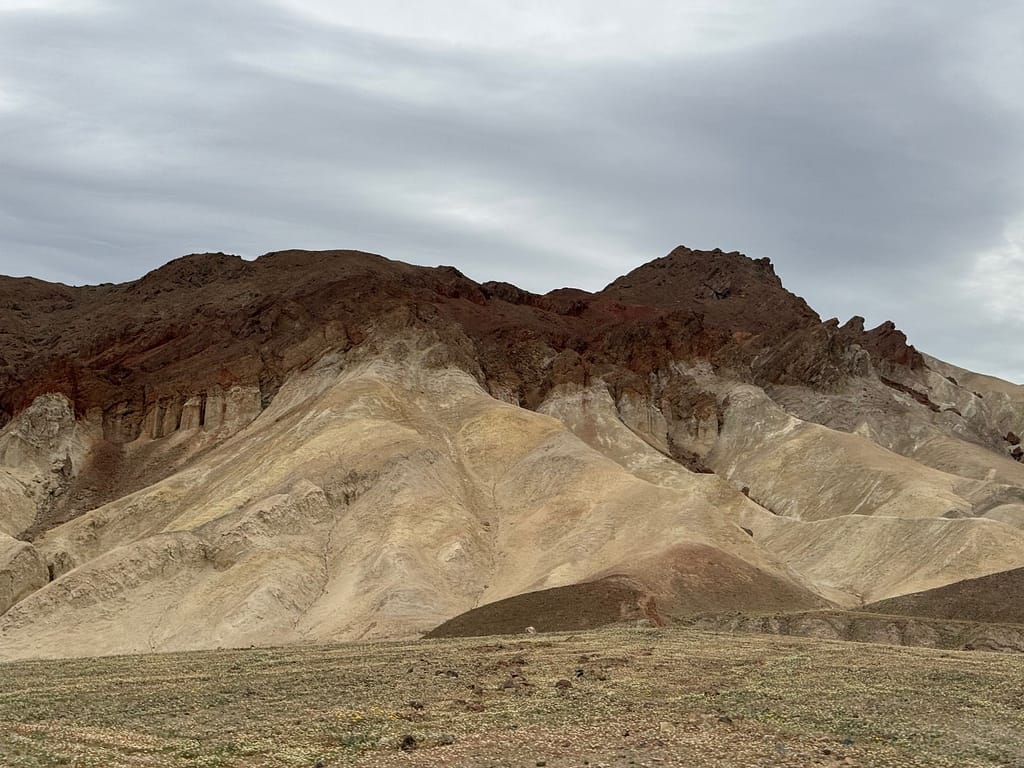
Instead of only harsh desert scenery, we saw mountains painted with color — red, green, yellow, brown, and blue. Deep, jagged canyons carved through the land, creating layers of texture and contrast. Yellow and purple wildflowers were blooming across hillsides and valleys, bringing life to a place often known only for its extremes.


Refreshing Rain
Just a week before our visit, rain had fallen across the desert. The landscape felt refreshed and renewed, as if the valley itself had taken a deep breath. What is normally known as one of the harshest environments revealed surprising beauty and vitality.
When the Desert Mirrors Our Journey
Standing there, I realized how much this landscape mirrors our own lives. At times, we feel like those lost cowboys — exhausted, searching for direction, climbing uphill while longing for relief. Life can feel like a dry desert where we struggle to find refreshment for our souls.
Yet just as unexpected rain transformed Death Valley, God brings renewal when we least expect it. In seasons that feel scorched or empty, He provides streams in the desert. He restores, strengthens, and allows new growth to emerge even in difficult circumstances.
Refreshment in the Desert
When the impossible appears out of nowhere, God can bring refreshment to your life. He restores your soul and helps you bloom in the middle of your circumstances. Look to the Savior, Jesus Christ, who guides and renews us even in dry seasons.
“And the Lord will guide you continually and satisfy your desire in scorched places and make your bones strong; and you shall be like a watered garden, like a spring of water, whose waters do not fail.” Isaiah 58:11
Everywhere I go, I enjoy camping with Jesus—on the road and in life.
Enjoy your journey, and feel free to reach out.
Travel Tips For Death Valley National Park
- Death Valley is the hottest and driest national park. The best time to visit is October through April.
- The park is open 24/7.
- There are a few lodging options, a service station, and several restaurants within the park.
- Due to extreme heat — especially in summer — bring plenty of water.
- Download GPS maps before arriving or bring a paper map for navigation.
- There are three locations for food and gas: Furnace Creek, Stovepipe Wells Village, and Panamint Village.
- There is camping in Death Valley National Park. Check Government Recreation for information or Panamint Springs Resort to camp near the sand dunes or check our resources page for more camping ideas.


Things To See In Death Valley National Park
- Furnace Creek: Visitor center, campgrounds, golf course, gas, restaurants
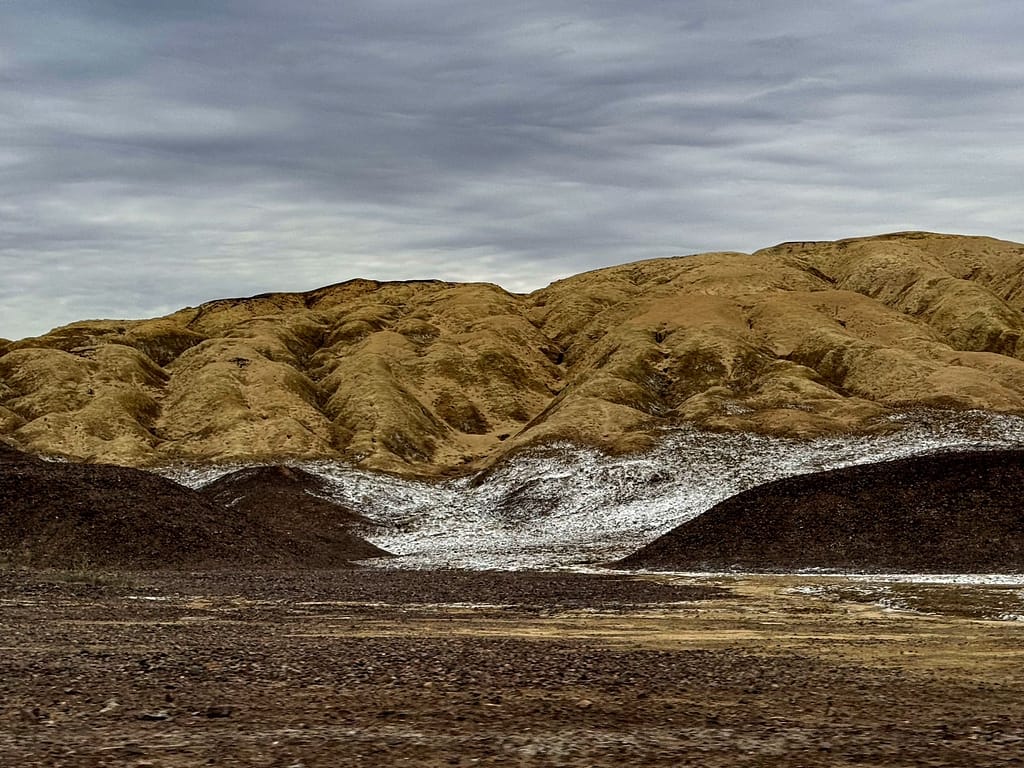
- Badwater Basin & Salt Flats: Lowest point in North America at 282 feet below sea level
- Artist’s Palette: A nine-mile drive through colorful volcanic hills
- Mesquite Flat Sand Dunes: Walk through towering sand dunes
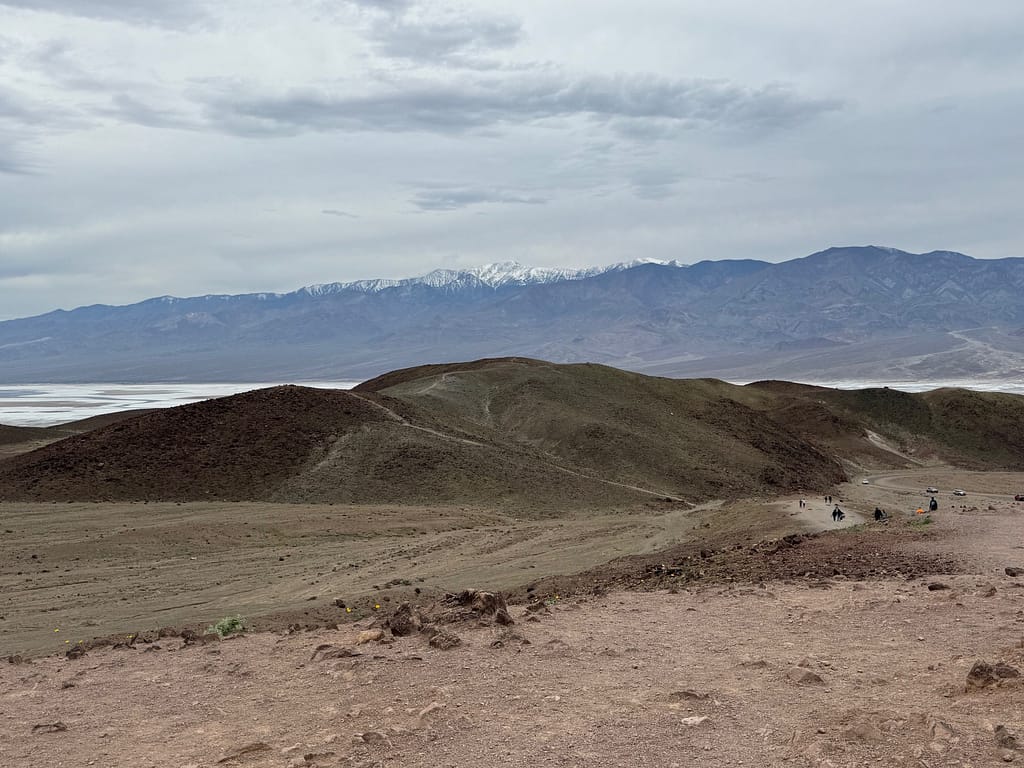
- Dante’s View: Panoramic viewpoint overlooking the valley from 3,000 feet
Fun Facts About Death Valley National Park
Kangaroo Rat
- Lives its entire life without drinking water — extracting moisture from seeds
- Can jump up to 9 feet in a single bound
- Changes direction mid-air
- Reacts to predator sounds in milliseconds
Desert Kit Fox
- Weighs 3.5–6 pounds with large ears and eyes
- Known as the “ghost fox” because it is rarely seen
- Needs only about six ounces of food daily and gets water from its food
Scorpions
- They glow a bright green color when under a UV light
- Nighttime is the best time to find them
Star Wars
Star Wars movies were filmed in Death Valley National Park:
Star Wars filming locations in Death Valley include Mesquite Flat Sand Dunes, Golden Canyon, Dante’s View, Twenty Mule Team Canyon, Artist’s Palette, and Desolation Canyon.
If you would like to take a Star Wars tour, click on the button below for information.